
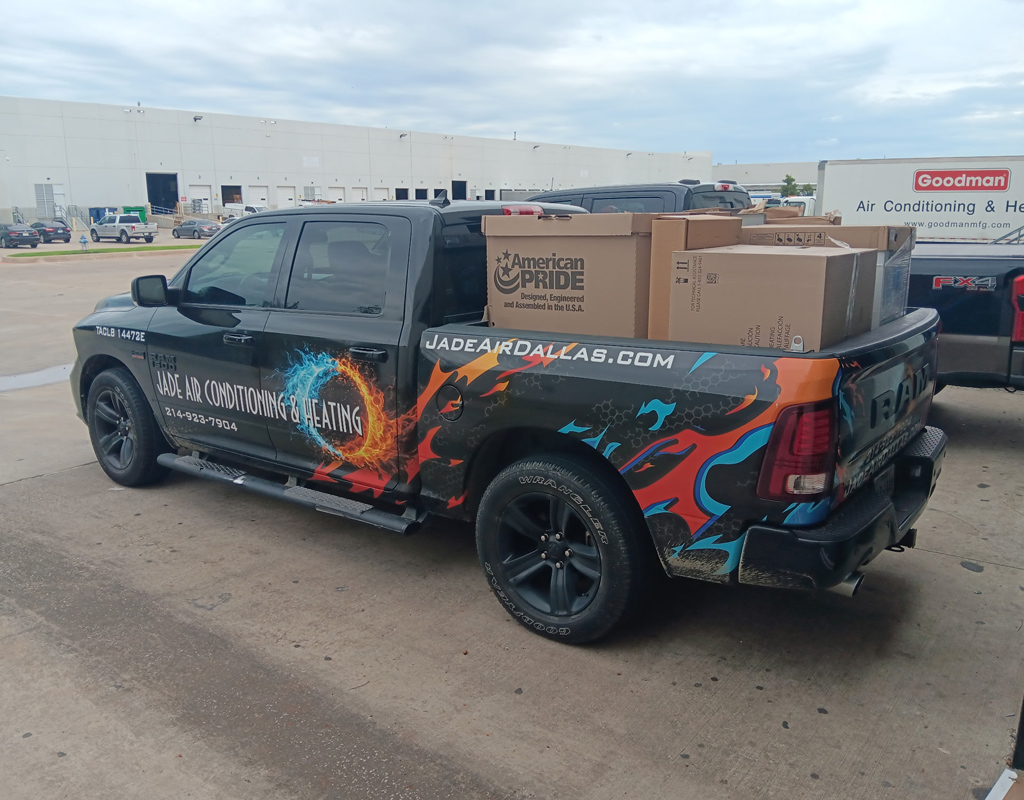
When it is time to replace an aging air conditioner, many homeowners naturally start looking at the highest efficiency system they can afford. After all, a higher-efficiency air conditioner uses less electricity, so it seems like the obvious choice. But according to Gilbert Sotelo, owner of Jade Air, there is more to consider than simply choosing the system with the highest efficiency rating.
If your air conditioner is 10 years old or older, the first thing to understand is that you are already dealing with equipment that is significantly less efficient than today’s systems. Depending on when it was manufactured, your existing unit may have had a relatively low efficiency rating when it was new. After years of operation, normal wear, dirty coils, aging components, refrigerant issues, and other maintenance problems can further reduce how efficiently the system operates.
That means replacing an older system with a new, moderately high-efficiency system can make a noticeable difference in your home’s energy use without necessarily requiring you to purchase the most expensive equipment available.
The Difference Between “High Efficiency” and “Highest Efficiency”
There is a tendency to think of air conditioners the same way we think about cars. If you can afford the luxury model with every available feature, why not buy it?
Gilbert uses a car analogy to explain why that isn’t always the best approach for an HVAC system.
Imagine comparing a Cadillac loaded with power seats, power windows, electronic controls, and other features to a Chevrolet with a much simpler configuration. Both vehicles can get you from point A to point B. The Cadillac may offer more features and conveniences, but it also has more components that can potentially require service or replacement as the vehicle ages.
An air conditioning system can work in a similar way. A very high-efficiency system may incorporate additional components, controls, sensors, and technology designed to achieve its efficiency rating. Those features can provide benefits, but they can also add complexity.
For a homeowner whose primary goal is straightforward: “I want my house to stay cool,” a simpler system may make more sense than automatically choosing the most sophisticated system available.
That does not mean high-efficiency equipment is bad. It simply means that the highest efficiency rating is not necessarily the only factor that should determine which system you install.
A New 14- to 16-SEER System Can Still Be a Major Upgrade
Consider a homeowner with a 10-, 12-, 14-, or even 15-year-old air conditioner. The system may still be running, but that does not necessarily mean it is operating as efficiently as it did when it was new.
Over time, equipment loses efficiency for a variety of reasons. Outdoor coils become dirty, indoor coils can accumulate debris, electrical components age, motors wear, refrigerant levels can become problematic, and airflow can deteriorate when filters, ductwork, or other components are not properly maintained.
A new system starts with new components and modern technology. Even if you do not purchase the highest efficiency system available, the improvement over an aging air conditioner can still be substantial.
This is one reason Gilbert does not believe every homeowner needs to purchase what he calls the “Cadillac” of air conditioning systems. A new system in the 14- to 16-SEER range can provide a practical balance between efficiency, upfront cost, reliability, and long-term operation, depending on the home and the equipment selected.
The important point is that homeowners should compare the complete system and its expected operating costs rather than focusing on one number.
Why the Age of Your Existing System Matters
One of the biggest mistakes homeowners can make is assuming that an old air conditioner is operating at the same efficiency level it had when it was installed.
An 18-year-old or 20-year-old system may still cool the house, but that doesn’t mean it is doing so economically. Gilbert recently encountered both an 18-year-old and a 20-year-old Goodman system that were still operating. Equipment can sometimes last much longer than homeowners expect when it has been properly maintained.
But longevity and efficiency are two different things.
An air conditioner can continue producing cold air while becoming increasingly expensive to operate. If the system has to run longer to achieve the same temperature, or if components are no longer operating properly, the homeowner may see the difference on the monthly electric bill.
This is particularly important in Texas, where air conditioners can operate for long periods during the summer. Even a relatively small decrease in operating efficiency can add up over an entire cooling season.
Maintenance Still Matters With a New Air Conditioner
Replacing an old system with new equipment is not the end of the story. Proper maintenance is important regardless of how much you spend on the equipment.
A high-efficiency air conditioner that is poorly maintained can fail to deliver the performance the homeowner expected. Dirty coils restrict the system’s ability to transfer heat. Poor airflow can affect performance. Electrical problems can damage components. Refrigerant issues can prevent the system from operating correctly.
Regular professional maintenance can help identify these problems before they become larger repairs and can help the system operate closer to the way it was designed.
This is also why homeowners should not judge their air conditioner’s condition solely by whether it is producing cold air. An air conditioner can still be cooling while operating inefficiently.
More Technology Can Mean More Things to Service
Modern HVAC technology has come a long way, and higher-efficiency systems can offer genuine advantages. However, additional technology can also mean additional components that need to be diagnosed and serviced when something goes wrong.
Gilbert points out that a simpler system may require fewer specialized components to keep it operating. A basic protection device, for example, can shut equipment down when certain operating conditions become unsafe. More sophisticated systems may have additional controls and components performing similar protective and efficiency-related functions.
Again, this does not make sophisticated equipment a bad choice. It means homeowners should understand what they are buying.
A system with more features may be the right choice for one home and unnecessary for another. The best equipment is the equipment that fits the home’s cooling requirements, the homeowner’s budget, and their expectations for long-term ownership.
Don’t Forget the Cost of Ownership
The purchase price of an air conditioner is only one part of the equation.
Homeowners should consider several factors when comparing replacement systems:
- The efficiency of the equipment
- The initial installation cost
- Expected electricity consumption
- The age and condition of the existing system
- Maintenance requirements
- Replacement-part availability
- The complexity of the equipment
- The expected length of time you will remain in the home
- The size and cooling requirements of the house
For someone planning to stay in their home for many years, investing in additional efficiency may make financial sense. For another homeowner, spending substantially more upfront for the highest efficiency rating may not provide enough additional savings to justify the difference.
There is no single efficiency rating that is automatically right for every homeowner.
The Bottom Line: You Want Reliable Cooling
At the end of the day, an air conditioner has one very important job: keeping your home comfortable.
As Gilbert puts it, your air conditioner is not exactly a conversation piece. It is usually sitting beside or behind your house, doing its job without much attention. Homeowners want it to operate reliably, keep the house comfortable, and avoid unnecessarily high energy bills.
If your system is 10, 12, 15, or 20 years old, replacing it with a properly sized and professionally installed modern system can provide an important improvement in efficiency and reliability. You do not necessarily have to purchase the most expensive system with every available feature to accomplish that.
The right approach is to look at the whole picture. Consider the age and condition of your current system, your home’s cooling needs, your budget, anticipated energy costs, and the long-term maintenance requirements of the equipment.
And whichever system you choose, don’t overlook maintenance. A properly maintained air conditioner is more likely to deliver the performance and efficiency you paid for.
If your aging air conditioner is still running but your energy bills are increasing, or if you are beginning to face frequent repairs, it may be time to have a professional evaluate the system. Jade Air can help you understand the condition of your existing equipment and explain your replacement options so you can make an informed decision about keeping your Dallas-area home comfortable.