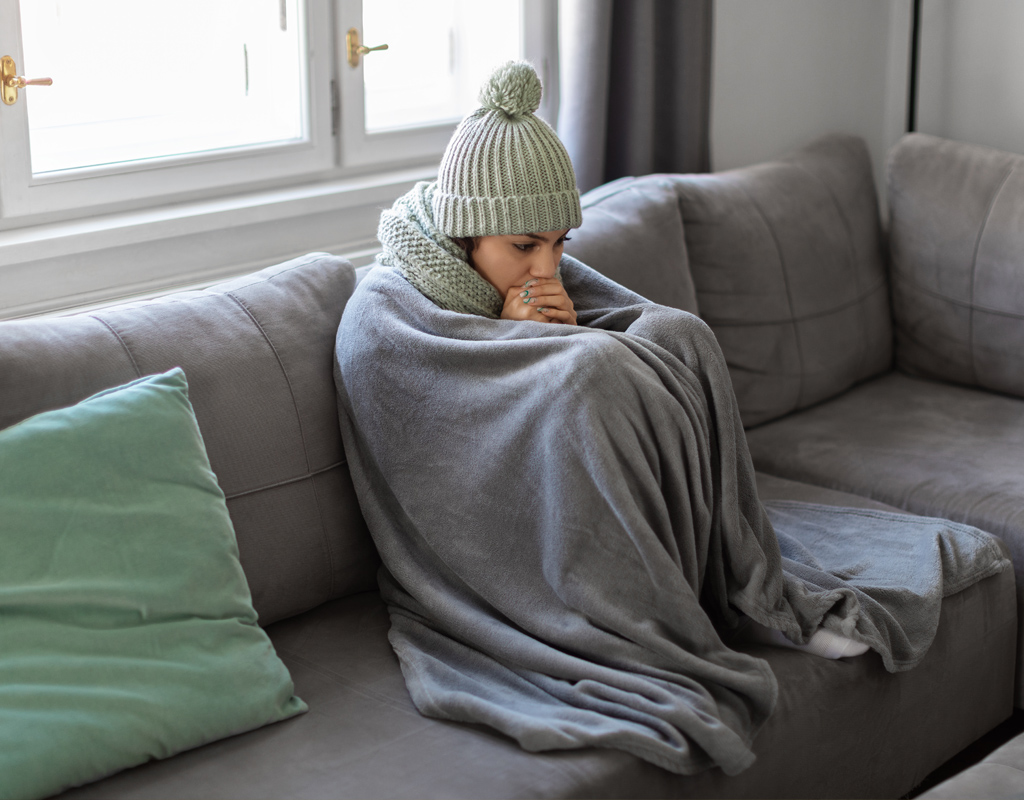
As temperatures begin to drop across Dallas, now is the time to make sure your heating system is ready to keep your family warm, comfortable, and, most importantly, safe.
There’s something refreshing about the arrival of cooler weather in North Texas. After months of triple-digit summer temperatures, the first cold fronts bring a welcome change. We open the windows, spend more time outdoors, and finally give our air conditioners a much-needed break. But as the temperatures continue to fall, our attention needs to shift from keeping our homes cool to making sure they’re ready for heating season.
Here in Dallas, we don’t experience the long, harsh winters that other parts of the country do. Our weather can change dramatically from one day to the next, with a warm afternoon followed by a chilly evening. That unpredictability is one reason homeowners sometimes overlook furnace maintenance. After all, if your furnace worked last winter, shouldn’t it work just fine this year?
Not necessarily. At Jade Air, we believe that keeping your home comfortable is only part of our responsibility. Making sure your heating equipment operates safely is just as important. And when it comes to gas furnaces, there’s one potential danger every homeowner should understand: carbon monoxide.
Your Furnace Has Been Sitting Idle for Months
Think about how much time your furnace has spent sitting unused since last winter. While your air conditioner has been working overtime through another Dallas summer, your heating system may not have operated for several months. During that time, dust can accumulate, electrical connections can deteriorate, and mechanical components can develop problems that aren’t obvious until the furnace starts running again.
When that first cold front arrives, most homeowners simply switch their thermostat from cooling to heating and expect warm air to start flowing. In many cases, everything works as expected. But what happens when a component has failed, a safety control isn’t operating correctly, or a problem has developed inside the furnace?
A professional furnace inspection can identify potential problems before they become expensive repairs or safety concerns. It’s much better to discover a problem during a scheduled maintenance appointment than to find yourself without heat during a freezing Dallas night.
Carbon Monoxide: The Danger You Can’t See or Smell
One of the most important reasons to have your gas furnace inspected is the potential for carbon monoxide exposure. Carbon monoxide, often referred to as CO, is a poisonous gas produced when fuels such as natural gas, propane, oil, or wood burn incompletely. Unlike natural gas, which has an odorant added to help people detect leaks, carbon monoxide has no smell, color, or taste.
That makes it particularly dangerous because you may not realize it’s present in your home until someone begins experiencing symptoms.
According to the Centers for Disease Control and Prevention (CDC), more than 400 Americans die each year from unintentional carbon monoxide poisoning unrelated to fires, and more than 100,000 visit emergency departments. These incidents can involve malfunctioning fuel-burning appliances, generators, vehicles, and other equipment. [1]
A properly operating gas furnace is designed to burn fuel and safely vent combustion gases outside your home. However, problems involving combustion, venting, or damaged components can create dangerous conditions. A cracked or deteriorated heat exchanger, for example, is a serious concern that requires professional evaluation. Blocked exhaust vents, improper installation, or inadequate combustion air can also contribute to unsafe operation.
The frightening part is that your furnace may still be producing heat while a potentially dangerous condition exists. Just because warm air is coming through your vents doesn’t mean everything is operating safely.
Recognizing the Symptoms of Carbon Monoxide Poisoning
Carbon monoxide poisoning is particularly concerning because its early symptoms can resemble common illnesses. During the fall and winter, when colds and flu are circulating, someone experiencing a headache, fatigue, or nausea may assume they’re simply getting sick.
Common symptoms of carbon monoxide exposure include headaches, dizziness, weakness, nausea, vomiting, shortness of breath, chest pain, and confusion. More serious exposure can lead to loss of consciousness and death. Children, older adults, and individuals with certain underlying medical conditions may be especially vulnerable. [1]
One warning sign is when multiple people in the household begin experiencing similar symptoms, particularly if those symptoms improve when they leave the house. However, symptoms alone are not a reliable way to detect carbon monoxide, and dangerous exposure can occur without an obvious warning.
If your carbon monoxide alarm sounds or you suspect carbon monoxide exposure, get everyone outside into fresh air immediately and call 911. Do not reenter the home until emergency responders have determined it is safe.
This is not something to investigate yourself or put off until the next morning.
Why an Annual Furnace Inspection Matters
The purpose of a furnace tune-up goes beyond making sure your home gets warm. A thorough inspection allows a qualified HVAC technician to evaluate the equipment’s condition, identify developing problems, and check important safety features.
During a typical gas furnace maintenance visit, a technician may inspect the burners and ignition system, examine the heat exchanger for signs of damage, evaluate venting and combustion conditions, check electrical connections, test safety controls, and verify that the system is operating properly. The technician should also evaluate airflow and the condition of the air filter, which can affect both heating performance and equipment reliability.
Some problems are relatively simple to correct. Others may indicate that a component is deteriorating or that the furnace is approaching the end of its useful life. Identifying these issues early gives homeowners time to consider their options instead of making rushed decisions during a heating emergency.
The Consumer Product Safety Commission recommends having home heating systems, including chimneys and vents, inspected and serviced annually by a trained technician. [2]
Regular maintenance cannot guarantee that a furnace will never fail, but it is an important part of reducing preventable risks and helping your equipment operate as intended.
Don’t Rely on Furnace Maintenance Alone: Install Carbon Monoxide Detectors
Even with a properly maintained furnace, every home with fuel-burning appliances should have working carbon monoxide alarms. These devices provide an additional layer of protection by alerting occupants when potentially dangerous concentrations of carbon monoxide are detected.
Carbon monoxide alarms should be installed on every level of the home and outside sleeping areas, following the manufacturer’s placement instructions and applicable local requirements. Test the alarms regularly, replace batteries when needed, and replace the units according to their specified service life. [2]
It’s also important to remember that carbon monoxide doesn’t come exclusively from furnaces. Gas water heaters, fireplaces, cooking appliances, portable generators, and vehicles operating in attached garages can all produce carbon monoxide under certain conditions.
During a winter power outage, never attempt to heat your home using a gas oven, charcoal grill, or outdoor cooking equipment. Portable generators should always be operated outdoors, at least 20 feet away from the home, with exhaust directed away from doors, windows, and vents. [1]
A carbon monoxide alarm is a relatively small investment that can provide an important warning when something goes wrong. It should be considered an essential safety device, not an optional accessory.
An Efficient Furnace Can Also Help Control Your Heating Bills
Safety is the most important reason to maintain your furnace, but operating efficiency is another benefit worth considering. A heating system that isn’t working properly may consume more energy than necessary or struggle to maintain a comfortable indoor temperature.
Dirty filters, restricted airflow, worn components, and improperly adjusted equipment can all affect heating performance. When a furnace has to work harder or run longer than necessary, the result may be higher utility bills, uneven heating, and additional wear on the system.
In Dallas, where temperatures can swing dramatically throughout the heating season, your furnace needs to be ready to respond when the thermostat calls for heat. A well-maintained system is better positioned to deliver consistent comfort without unnecessary strain on its components.
It’s also worth remembering that a furnace doesn’t have to be particularly old to benefit from maintenance. Whether your system is three years old or fifteen years old, regular inspections help protect your investment and can reveal problems before they become more serious.
Don’t Wait Until the First Freeze
One of the most common mistakes homeowners make is waiting until their furnace stops working before calling an HVAC professional. Unfortunately, heating problems often become apparent during the coldest weather, precisely when everyone else is turning on their furnaces as well.
Scheduling maintenance during the fall gives you an opportunity to address problems before temperatures drop further. It also allows you to plan for repairs or replacement if your equipment is showing signs of age or deterioration.
If your furnace is making unusual noises, cycling on and off frequently, struggling to heat certain rooms, or producing unfamiliar odors, don’t ignore those warning signs. Have a qualified technician evaluate the equipment. A brief dusty smell during the first heating cycle can sometimes occur after months of inactivity, but persistent burning odors, soot, or unusual operation should never be dismissed.
And remember, carbon monoxide itself has no odor. You cannot depend on your sense of smell to determine whether your furnace is safe.
A Little Prevention Goes a Long Way
At Jade Air, we understand that most homeowners don’t spend much time thinking about their heating systems. When you adjust the thermostat, you expect the equipment to do its job. That’s exactly how it should be.
But behind the scenes, your furnace is a mechanical system that requires attention, just like your vehicle. You wouldn’t want to take a long road trip without knowing whether your brakes were working properly. The same practical thinking applies to your home’s heating equipment.
As Dallas welcomes another season of cooler temperatures, take a little time to make sure your home is prepared. Replace your air filter, test your carbon monoxide alarms, and schedule a professional furnace inspection. These simple steps can help protect your family, improve heating performance, and reduce the likelihood of unexpected problems when you need your furnace most.
Your family’s comfort matters, but their safety matters even more.
Jade Air is a locally owned, family-operated HVAC company serving homeowners throughout Dallas, Texas. Whether your furnace needs seasonal maintenance, a safety inspection, or repairs, we’re here to help you prepare for the colder months ahead.
Schedule your furnace maintenance with Jade Air today.
Call 214-923-7904 or visit www.jadeair.net to learn more about our heating services and maintenance plans.
References
- Centers for Disease Control and Prevention (CDC). Carbon Monoxide Poisoning Basics. https://www.cdc.gov/carbon-monoxide/about/index.html
- U.S. Consumer Product Safety Commission (CPSC). Protect Your Family from Carbon Monoxide Poisoning. https://www.cpsc.gov/safety-education/safety-education-centers/carbon-monoxide-information-center/protect-your-family-from-carbon-monoxide-poisoning
- U.S. Environmental Protection Agency (EPA). Protect Your Family and Yourself from Carbon Monoxide Poisoning. https://www.epa.gov/indoor-air-quality-iaq/protect-your-family-and-yourself-carbon-monoxide-poisoning