
For homeowners in Dallas, energy bills are a significant concern, particularly during the long, hot summers and cold winter months. One of the most effective ways to manage energy consumption and reduce utility costs is through regular HVAC maintenance. Heating, ventilation, and air conditioning systems are complex machines that work tirelessly to maintain indoor comfort. When they are not properly maintained, they can become inefficient, forcing your system to work harder, consume more energy, and drive up monthly costs.
Understanding the benefits of HVAC maintenance for energy bills can help homeowners make informed decisions about scheduling inspections, repairs, and preventive care. A properly serviced HVAC system not only lowers energy consumption but also extends the lifespan of equipment and enhances home comfort.
Why HVAC Maintenance Impacts Energy Bills
HVAC systems rely on multiple components, including air filters, ducts, coils, fans, and thermostats. Over time, dust accumulation, worn parts, and improper airflow can reduce the efficiency of these systems. When efficiency drops, the system must work harder to achieve the desired temperature, consuming more electricity and increasing energy bills.
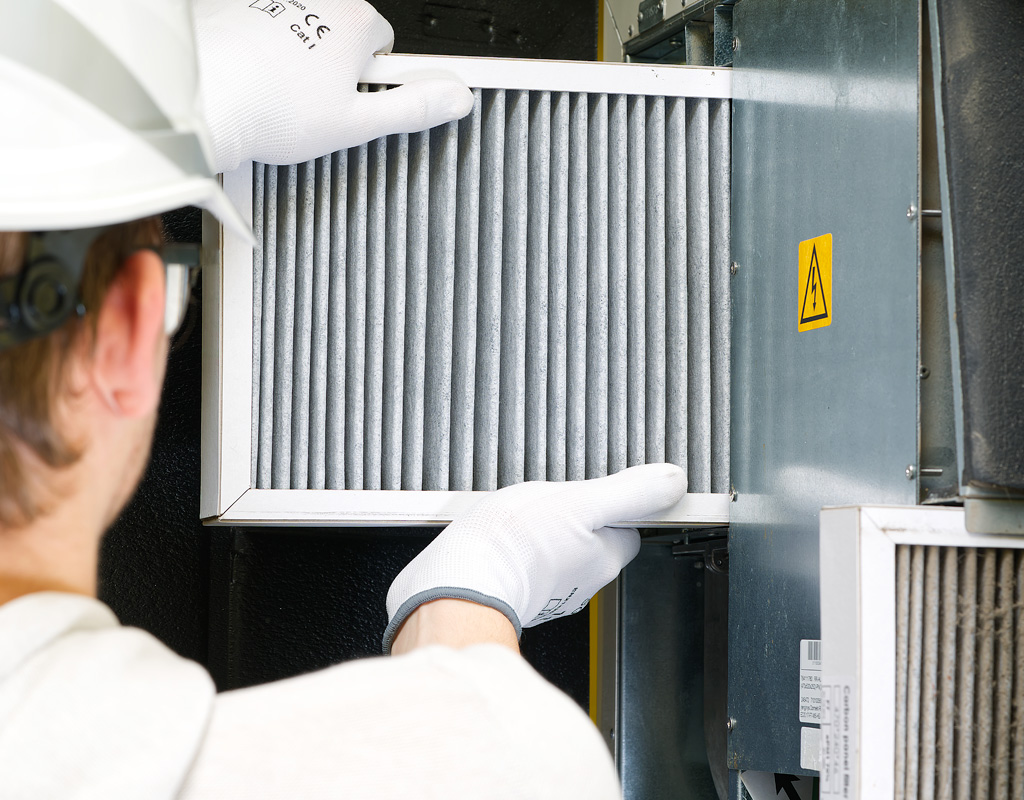
Regular maintenance ensures that all components are clean, lubricated, and functioning optimally. For example, replacing clogged air filters and cleaning dirty coils allows the system to operate without strain. Proper ductwork inspection prevents energy loss from leaks, and calibrating the thermostat ensures accurate temperature control, preventing unnecessary energy usage.
Homeowners looking for professional assistance can rely on a trusted HVAC Service Company In Dallas to perform thorough maintenance, addressing all aspects of the system to maximize efficiency and minimize energy costs.
How Often Should HVAC Systems Be Maintained?
Experts recommend scheduling biannual HVAC maintenance, typically in spring for air conditioning systems and in fall for heating systems. This approach prepares the system for seasonal extremes and ensures that all components are inspected and optimized for performance.
Spring maintenance generally focuses on cooling. Technicians check refrigerant levels, clean coils, inspect the evaporator and condenser, replace air filters, and verify thermostat settings. This preparation ensures that the system can handle prolonged high temperatures without wasting energy.
Fall maintenance emphasizes heating systems. Furnaces are inspected for burner efficiency, ductwork is checked for leaks, electrical components are tested, and the system is cleaned. Proper fall maintenance ensures that your heating system operates efficiently during colder months, preventing unnecessary energy consumption.
Direct Benefits of HVAC Maintenance on Energy Bills
Maintaining your HVAC system has several direct effects on energy consumption and utility costs. First, a clean and efficient system requires less energy to maintain comfortable temperatures. When fans, motors, and compressors are operating optimally, the system can achieve desired temperatures faster and with less effort.
Second, energy waste from leaky ducts or improperly functioning components is reduced. Duct leaks can account for a significant percentage of energy loss in many homes. Addressing these leaks during routine maintenance prevents energy from being wasted as the system compensates for lost airflow.
Third, regular maintenance prevents minor problems from escalating into major repairs. A system that is not maintained may have components working inefficiently or failing prematurely, which often requires more energy to compensate, further driving up energy bills.
Understanding How Much Does HVAC Maintenance Cost? helps homeowners weigh the investment against potential energy savings, as well-maintained systems often pay for themselves in reduced utility expenses over time.
Common Issues Prevented by Regular HVAC Maintenance
Without maintenance, HVAC systems can develop problems that directly impact energy consumption. Dirty coils reduce heat transfer efficiency, forcing the system to run longer cycles. Clogged air filters restrict airflow, making the system work harder. Improperly calibrated thermostats can cause the system to overheat or overcool spaces, wasting energy.
Electrical issues, refrigerant leaks, and malfunctioning fans can also contribute to higher energy bills. Routine inspections allow technicians to identify these issues early and correct them, ensuring optimal efficiency.
Long-Term Financial Benefits
Investing in regular HVAC maintenance goes beyond immediate energy savings. Systems that are regularly serviced last longer, delaying the cost of replacement. Additionally, maintenance helps prevent emergency breakdowns that may result in expensive repairs. Over time, the combination of lower energy bills, fewer repairs, and extended equipment life can result in substantial financial benefits for homeowners.
In addition to financial advantages, energy-efficient systems contribute to environmental sustainability by reducing unnecessary electricity consumption and greenhouse gas emissions. Homeowners who maintain their HVAC systems not only save money but also decrease their environmental footprint.
DIY Tips to Support Professional Maintenance
While professional inspections are critical, homeowners can support system efficiency with simple tasks. Changing air filters every 1–3 months, keeping vents and registers clean, ensuring thermostats are functioning correctly, and clearing debris around outdoor units all help the system run efficiently.
Regular attention to these small details prevents energy loss and complements professional maintenance, ensuring that the system operates at its best year-round.
The Role of Climate in Dallas Energy Consumption
Dallas residents face unique energy challenges due to the region’s climate. Summers are long, hot, and humid, which can dramatically increase air conditioning energy consumption. Winters, while shorter, can be unexpectedly cold, requiring consistent heating to maintain indoor comfort.
Regular maintenance ensures that HVAC systems can handle these extremes efficiently. Clean components and optimized systems allow the home to reach and maintain desired temperatures faster, reducing energy waste and lowering utility bills.
Choosing the Right HVAC Service Provider
Selecting a reliable service provider is crucial for effective maintenance and energy savings. Homeowners should look for licensed, experienced technicians with positive reviews and expertise in residential HVAC systems. A reputable provider will perform comprehensive inspections, address hidden issues, and optimize the system for maximum efficiency.
Professional care ensures that all components are functioning properly, ductwork is sealed, and refrigerant levels are correct, providing tangible benefits to both energy efficiency and system longevity.
Frequently Asked Questions (FAQs)
How often should HVAC maintenance be performed?
Biannual inspections in spring and fall are recommended to maintain efficiency and prevent energy waste.
Can HVAC maintenance really lower my energy bills?
Yes, a well-maintained system operates efficiently, reducing energy consumption and utility costs.
How long does an HVAC maintenance visit take?
Maintenance typically takes 1–2 hours depending on system size and complexity.
Can I maintain my HVAC system myself?
Homeowners can perform simple tasks like replacing filters and cleaning vents, but professional inspections are necessary for thorough system optimization.
Is HVAC maintenance worth the cost?
Yes, the energy savings, extended equipment life, and prevention of costly repairs typically outweigh the maintenance expense.
Conclusion
Regular HVAC maintenance is a critical investment for homeowners looking to save on energy bills and maintain year-round comfort. By scheduling professional inspections, performing small DIY upkeep, and ensuring the system operates efficiently, homeowners can enjoy lower utility costs, improved indoor air quality, and a longer-lasting HVAC system.
In Dallas, Jade Air offers expert HVAC services, including maintenance, repairs, and system optimization, ensuring that homes remain comfortable, energy-efficient, and safe throughout the year.