
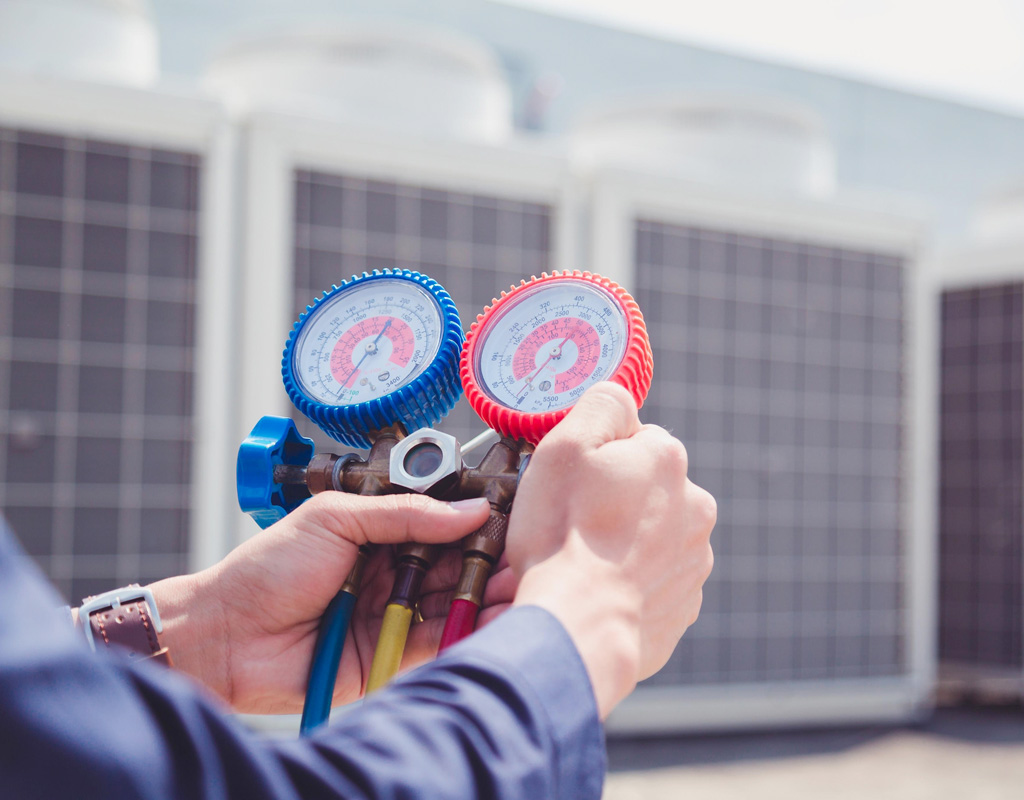
For homeowners in Dallas, understanding the cost of HVAC maintenance is essential to making informed decisions about system care. Heating, ventilation, and air conditioning systems are vital for maintaining comfort, safety, and indoor air quality year-round. While the initial cost of maintenance may seem like an expense, it is an investment that can prevent larger repairs, reduce energy bills, and extend the life of your system.
This guide explores typical HVAC maintenance costs, what factors influence pricing, and why regular inspections are crucial for avoiding costly breakdowns.
Why HVAC Maintenance is Worth the Investment
Many homeowners underestimate the value of regular HVAC maintenance. A system that is neglected can lose efficiency, struggle to maintain desired temperatures, and eventually fail, leading to emergency repairs. Routine inspections, cleaning, and adjustments ensure that the system operates at peak efficiency.
In Dallas, extreme seasonal temperatures place significant stress on HVAC systems. Air conditioners work overtime during hot summers, while furnaces or heat pumps face sudden winter cold. Proper maintenance allows these systems to function efficiently, saving energy and preventing the need for early replacement.
Partnering with a reputable HVAC Service Company In Dallas ensures that all components—from air filters to coils, fans, and ductwork—are thoroughly inspected, cleaned, and optimized, maximizing efficiency and system lifespan.
Typical HVAC Maintenance Costs
The cost of HVAC maintenance varies depending on system type, age, and the scope of service. On average, homeowners can expect to pay between $100 and $250 for a standard maintenance visit. This generally includes inspecting and cleaning key components, testing electrical connections, checking refrigerant levels, lubricating moving parts, and ensuring the thermostat operates correctly.
Larger or more complex systems may cost more due to additional components and labor required. Some service providers offer seasonal packages, which include biannual inspections for both heating and cooling systems. While the upfront cost may be higher, these packages often provide better value over time by preventing costly repairs and ensuring optimal energy efficiency.
Factors That Influence HVAC Maintenance Costs
Several factors can impact the cost of HVAC maintenance:
- System Age and Type: Older systems or specialized units may require more time and effort to maintain.
- Size of the Home: Larger homes typically have more extensive ductwork and components to inspect.
- Service Provider Rates: Licensing, experience, and reputation of the provider influence pricing.
- Level of Maintenance: Basic maintenance differs from comprehensive service that includes deep cleaning, coil inspection, and ductwork evaluation.
Understanding these variables helps homeowners anticipate costs and select a service plan that meets their needs and budget.
Benefits Beyond Cost
Investing in HVAC maintenance is about more than just the immediate price—it offers long-term financial and practical benefits. Well-maintained systems operate more efficiently, reducing energy consumption and lowering utility bills. Regular maintenance also prevents minor issues from escalating into major problems, saving homeowners thousands in potential repair costs.
Additionally, maintenance ensures optimal indoor air quality by keeping filters, ducts, and coils clean, reducing the circulation of dust, pollen, and allergens. Safety is also enhanced, as professional inspections can identify hazards such as gas leaks, electrical issues, or carbon monoxide risks.
Homeowners should also understand Can HVAC Maintenance Prevent Emergency Repairs? Regular inspections and proactive care significantly reduce the likelihood of unexpected breakdowns, ensuring the system remains reliable during extreme weather.
When to Schedule HVAC Maintenance
Experts recommend scheduling maintenance twice a year—once in spring for the air conditioning system and once in fall for heating. This schedule ensures the system is ready for seasonal extremes and all components are functioning efficiently.
Spring inspections focus on cooling systems. Technicians check refrigerant levels, clean evaporator and condenser coils, replace filters, and verify thermostat performance. Fall inspections focus on heating systems, including furnace burner inspection, ductwork evaluation, and safety checks for electrical or gas components.
How Maintenance Reduces Long-Term Costs
Although homeowners pay for routine maintenance, it often results in significant savings over time. A system running efficiently consumes less energy, reducing monthly utility bills. Preventive maintenance also extends the life of components, delaying the need for replacement.
Unmaintained systems are more likely to experience breakdowns, which can be costly, especially during extreme heat or cold. By addressing minor issues early, homeowners avoid emergency repair fees and potential secondary damage, such as water leaks or electrical hazards.
DIY Tips to Support Professional Maintenance
While professional inspections are essential, homeowners can take simple steps to maintain system efficiency between visits:
- Replace air filters every one to three months.
- Keep vents and registers clean and unobstructed.
- Ensure outdoor units are free from debris, leaves, and grass clippings.
- Monitor thermostat settings and replace batteries when necessary.
These measures complement professional maintenance and help the system operate at peak performance.
Common Issues Prevented by Regular Maintenance
Routine HVAC maintenance addresses problems before they escalate, including:
- Clogged filters that reduce airflow and force the system to work harder.
- Dirty coils that limit heat transfer efficiency.
- Leaky or blocked ducts that waste energy.
- Malfunctioning thermostats that cause temperature inconsistencies.
- Worn motors, fans, and electrical connections that could fail unexpectedly.
By addressing these issues early, maintenance improves energy efficiency, prolongs equipment life, and reduces emergency repair costs.
Dallas Climate Considerations
The Dallas climate significantly impacts HVAC energy use. High summer heat and humidity place a heavy burden on air conditioners, while winter cold demands consistent heating. Maintenance ensures systems can handle these extremes efficiently, preventing energy waste and minimizing unnecessary energy expenses.
Clean components, calibrated thermostats, and properly functioning fans allow systems to achieve desired temperatures quickly, reducing the amount of time equipment runs and conserving energy.
Choosing the Right HVAC Service Provider
Selecting an experienced, licensed, and reliable HVAC service provider is critical. Homeowners should look for professionals who can perform comprehensive inspections, identify hidden issues, and provide preventive care tailored to their specific system.
A reputable provider ensures that all components are functioning efficiently, ductwork is sealed, refrigerant levels are adequate, and electrical connections are safe. This professional care directly contributes to reduced energy consumption and long-term savings.
Frequently Asked Questions (FAQs)
How much does HVAC maintenance cost?
On average, maintenance ranges from $100 to $250 per visit, depending on system type, size, and service level.
How often should HVAC maintenance be performed?
Biannual maintenance—spring and fall—is recommended for optimal efficiency.
Will maintenance really lower my energy bills?
Yes, a well-maintained system consumes less energy and operates more efficiently.
Can I do maintenance myself?
Homeowners can replace filters and clean vents, but professional inspections are needed for full optimization.
Can regular maintenance prevent emergency repairs?
Yes, proactive inspections and maintenance significantly reduce the likelihood of unexpected system failures.
Conclusion
Understanding the cost of HVAC maintenance and its benefits for energy bills empowers homeowners to make informed decisions. Investing in regular maintenance ensures energy efficiency, reduces unexpected repairs, prolongs system lifespan, and maintains indoor comfort year-round.
For Dallas residents, Jade Air provides professional HVAC services, including maintenance, inspections, and system optimization, ensuring homes remain comfortable, energy-efficient, and reliable through every season.