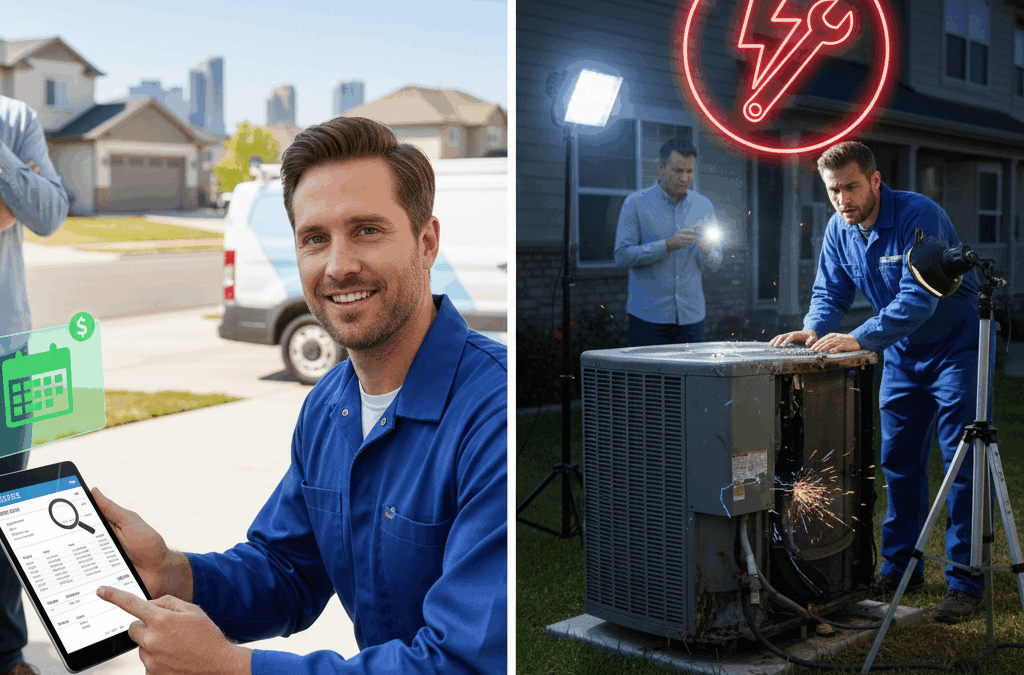
Homeowners in Dallas rely heavily on HVAC systems to maintain a comfortable and healthy indoor environment. Unexpected breakdowns, however, can turn comfort into chaos. Imagine the middle of a Dallas summer with temperatures above 100°F and suddenly your air conditioner stops working. Not only does this create discomfort, but emergency repairs are often costly and disruptive.
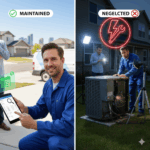
This is where HVAC maintenance becomes critical. Routine maintenance is a proactive approach that addresses small issues before they become emergencies. By keeping systems clean, calibrated, and functioning efficiently, homeowners can significantly reduce the likelihood of unexpected failures.
Understanding the Risks of Neglect
HVAC systems are intricate assemblies of mechanical, electrical, and refrigerant components. Neglecting maintenance allows dust, dirt, and wear to accumulate, which can trigger failures. For instance, a minor refrigerant leak may seem insignificant at first, but over time it can reduce cooling efficiency and cause compressor damage, one of the most expensive parts to replace.
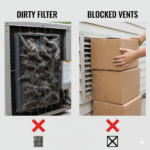
Similarly, clogged air filters may appear trivial but can strain motors and blowers, increasing the chance of an electrical failure. In some cases, a neglected furnace can develop cracks in the heat exchanger, posing both safety hazards and costly repairs. Regular maintenance catches these issues early, avoiding emergencies that could disrupt daily life.
Homeowners seeking professional assistance should consider working with a trusted HVAC Service Company In Dallas, where experts can perform comprehensive inspections to identify hidden risks before they escalate.
How Maintenance Prevents Emergencies
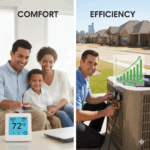
Preventive maintenance works on multiple levels. First, it improves system efficiency. Clean coils, lubricated motors, and unobstructed airflow reduce strain on components. A system that operates efficiently is less likely to overheat or fail unexpectedly.
Second, maintenance identifies potential mechanical and electrical problems early. Technicians can detect worn belts, frayed wiring, or faulty capacitors before they cause a complete system shutdown.
Third, routine inspections allow for proactive repairs. Minor refrigerant adjustments, duct sealing, and thermostat recalibration are inexpensive compared to the cost of emergency replacement or repairs.
Finally, preventive care reduces environmental and energy stress on the system. HVAC units running in extreme heat or cold without maintenance are far more likely to fail. Keeping the system in peak condition ensures it can withstand seasonal demands.
Case Examples of Maintenance Preventing Failures
Consider a Dallas family whose air conditioner failed during a weekend heatwave. Investigation revealed that the system’s compressor burned out due to restricted airflow from a clogged filter that hadn’t been replaced for over a year. Regular maintenance would have caught the airflow issue, avoiding the emergency and high replacement cost.
In another case, a homeowner’s furnace developed a small gas leak that went unnoticed. During routine maintenance, the leak was detected and repaired, preventing not only an emergency repair bill but also a serious safety risk.
These examples illustrate how proactive HVAC maintenance protects both finances and household safety.
How Often Should Maintenance Be Scheduled?
Experts recommend scheduling maintenance twice annually—spring for cooling systems and fall for heating systems.
Spring maintenance typically includes:
- Cleaning and inspecting coils and condenser units
- Checking refrigerant levels
- Replacing air filters
- Verifying thermostat calibration
Fall maintenance focuses on:
- Inspecting furnace burners and heat exchangers
- Testing electrical components
- Cleaning ductwork if necessary
- Ensuring heating efficiency
Regular biannual maintenance reduces the risk of emergency repairs by keeping the system in top condition year-round.
Before scheduling a visit, homeowners should understand What Questions Should I Ask Before Booking HVAC Maintenance? Knowing what to expect ensures technicians address all critical components, preventing surprises and unplanned failures.
Simple Maintenance Steps Homeowners Can Take
Between professional visits, homeowners can further protect their HVAC system:
- Regularly change air filters every 1–3 months
- Keep vents and registers unobstructed
- Ensure outdoor units are clear of debris
- Monitor thermostat performance
While these actions are simple, they help reduce strain on the system and complement professional maintenance.
Common Problems Avoided Through Maintenance
Preventive maintenance can prevent:
- Refrigerant leaks leading to compressor failure
- Frozen evaporator coils due to airflow issues
- Electrical malfunctions from worn wiring
- Fan or motor failure from dust and debris buildup
- Duct leaks that compromise efficiency
By addressing these potential problems early, maintenance protects homeowners from unexpected, expensive repairs.
Dallas Climate Considerations
Dallas presents unique challenges for HVAC systems. High humidity during the summer can accelerate mold growth in ductwork if the system is neglected. Sudden winter cold can overwork a furnace or heat pump, especially if filters or coils are dirty. Regular maintenance ensures systems are ready to handle these conditions efficiently, avoiding unnecessary emergency repairs.
Selecting a Professional HVAC Service Provider
Choosing the right service provider is crucial. Look for licensed and experienced technicians with expertise in residential systems. A reputable company will provide a thorough inspection, address hidden issues, and offer guidance for ongoing care. Proper professional maintenance reduces both the risk of system failure and the financial burden of unexpected repairs.
Long-Term Benefits
Investing in preventive maintenance delivers long-term advantages:
- Lower energy bills due to efficient operation
- Reduced likelihood of emergency repair costs
- Extended system lifespan
- Improved indoor air quality
- Peace of mind knowing your HVAC system is reliable
Homeowners often find that maintenance costs are quickly offset by savings from avoided repairs and energy efficiency gains.
Frequently Asked Questions (FAQs)
Can HVAC maintenance really prevent emergency repairs?
Yes, regular inspections catch minor issues before they escalate into costly emergencies.
How often should I schedule HVAC maintenance?
Twice a year—spring and fall—for optimal system performance.
How long does a maintenance visit usually take?
Most visits last 1–2 hours depending on the system size and complexity.
What should I ask a service provider before maintenance?
Questions about inspection scope, cost, experience, and emergency support options are essential.
Can I do any maintenance myself?
Yes, changing filters, keeping vents clear, and monitoring thermostat settings can help, but professional inspection is necessary for full protection.
Conclusion
Preventing emergency HVAC repairs starts with regular maintenance. By keeping systems clean, calibrated, and inspected by professionals, homeowners can reduce the risk of unexpected failures, lower energy costs, and extend equipment life.
In Dallas, Jade Air provides professional HVAC maintenance and repair services, ensuring homes remain comfortable, energy-efficient, and safe throughout the year.