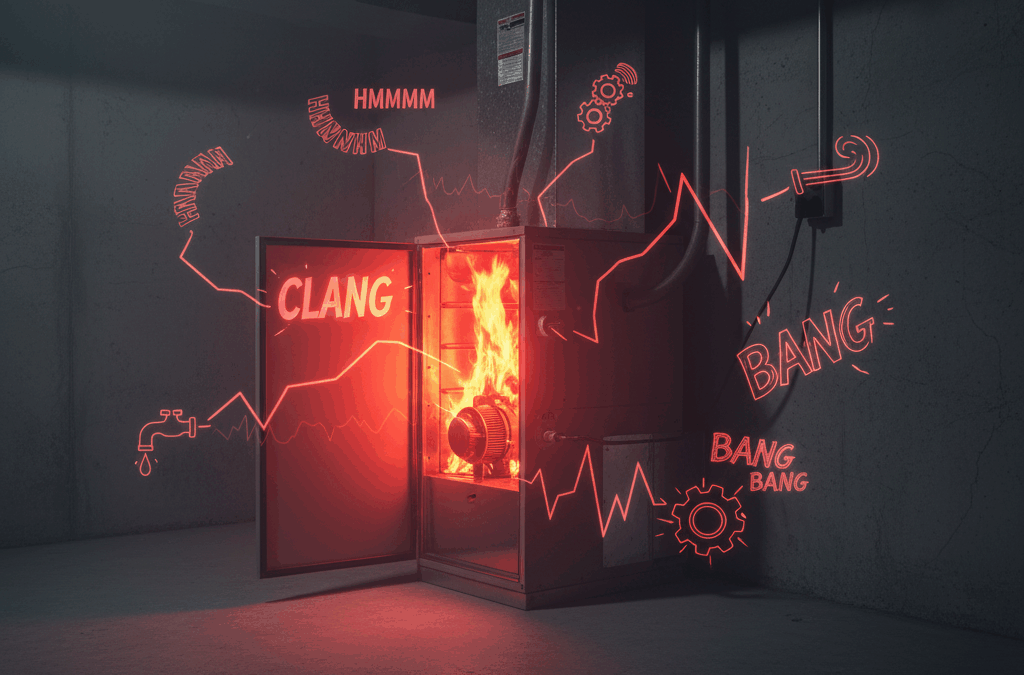
Hearing furnace noise inside your home can be unsettling—especially when your heating system has been running quietly for years. Modern furnaces are designed to operate smoothly, so any unusual sound is usually a warning sign that something isn’t working as it should. Whether it’s a banging, squealing, or clicking sound, these noises can indicate airflow restrictions, electrical malfunctions, or worn mechanical components.
What Causes Loud Furnace Noises and When Should You Be Concerned?
Understanding what each sound means can help homeowners prevent costly repairs, avoid safety risks, and ensure consistent indoor comfort. This guide breaks down the 7 furnace noises you should never ignore, what they mean, and when it’s time to call a professional heating repair company.
Why Is My Furnace Making Strange Noises?
It’s normal to hear soft humming or light whooshing from a furnace as it cycles on and off. But when the system begins producing louder, more persistent sounds, it’s a signal that something deeper may be wrong. Homeowners often ask, “Why is my furnace so loud all of a sudden?” or “Is a loud furnace dangerous?”
In most cases, loud noises mean that components have become loose, dirty, or damaged. Over time, even minor issues can escalate into serious safety risks like gas leaks, carbon monoxide exposure, or total system failure. Recognizing these sounds early can prevent major heating system damage and keep your household safe.
-
Booming or Banging on Startup
A booming or banging sound right as your furnace starts is one of the most concerning noises. It’s often caused by delayed ignition, where gas builds up inside the combustion chamber before lighting all at once. This mini explosion can damage the heat exchanger—a crucial component that, if cracked, may release dangerous gases into your home. Prompt attention from professional heating repair services in Dallas is essential to address the issue safely and prevent costly damage.
This furnace noise is never normal and requires immediate attention from a heating repair service technician. Delaying repairs could result in higher repair costs or even a full furnace replacement.
-
Grinding or Scraping (Metal-on-Metal Contact)
If you hear grinding or scraping, imagine metal parts rubbing against each other. This typically points to a problem with the blower wheel, fan housing, or worn-out bearings inside the motor. When left unchecked, the friction increases motor strain, reduces airflow efficiency, and can cause permanent damage to the blower assembly.
In such cases, turning off your furnace and scheduling a heating furnace repair service is the safest option. A professional can lubricate or replace the damaged parts before they lead to system failure.
-
High-Pitched Squealing or Screeching
A squealing or screeching noise is often related to the blower belt or motor bearings. Over time, belts can loosen or fray, and bearings can dry out due to lack of lubrication. These issues might seem minor, but they can affect your system’s ability to circulate warm air efficiently.
Ignoring these sounds may lead to complete blower motor breakdowns and expensive heating system repair service calls. Addressing the issue early ensures smoother operation and prevents major heating interruptions during the cold months.
-
Clicking Sounds (Especially When Furnace Is Off or Delayed)
While a single click when your furnace starts is normal, constant clicking—especially when the unit is off—can signal trouble with the ignition system or flame sensor. If your furnace clicks repeatedly but fails to start, it might be struggling to ignite properly due to faulty sensors or wiring issues.
Persistent clicking should always be checked by a professional technician, as it can lead to inefficient heating cycles or potential gas flow problems. For ongoing ignition concerns, it’s wise to learn When to Repair vs Replace Your Heating System: A Homeowner’s Guide, as repeated ignition issues may indicate it’s time for a system upgrade.
-
Rattling or Clanking Inside the Furnace
Rattling or clanking sounds usually come from loose screws, panels, or components that have vibrated out of place. In some cases, it can indicate a cracked heat exchanger, which poses a serious safety hazard by potentially allowing carbon monoxide to leak into your home’s air supply.
Even minor rattles can escalate into serious damage. If you suspect this kind of furnace noise, shut down the system and contact a qualified technician immediately. Routine inspections can catch these problems early, saving you money and ensuring peace of mind.
-
Humming, Buzzing, or Electrical Noises
A soft hum during normal furnace operation is common. However, when that hum turns into a persistent buzzing or electrical hum, it could indicate failing capacitors, transformers, or loose wiring connections. Electrical issues like these can cause power fluctuations and even short circuits if ignored.
Calling a certified heating repair company is the safest choice when dealing with electrical noises. Their experts can test components, tighten wiring, and replace defective parts to restore safe operation and prevent future breakdowns.
-
Whistling or Airflow-Related Sounds
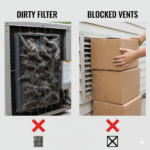
A whistling or high-pitched airflow noise usually means air is struggling to move through the system. Common culprits include clogged filters, blocked return vents, or damaged ductwork. When airflow is restricted, your furnace must work harder to heat the home, which increases energy bills and wear on the blower motor.
If you hear this noise, start by checking and replacing the air filter. If the sound continues, there may be leaks or gaps in the duct system that require professional inspection. It’s also helpful to know How Much Does Heating Repair Cost? to estimate the potential expense of fixing airflow-related issues before they worsen.
Why Loud Furnace Noise Should Never Be Ignored
Each of these sounds serves as a warning sign that your furnace needs attention. Loud bangs, scraping, or electrical hums are not only signs of mechanical failure—they can also pose real safety risks. For example, a cracked heat exchanger or delayed ignition can create dangerous gas and carbon monoxide hazards.
Proactive homeowners schedule regular maintenance, ensuring every connection, belt, and component is checked before winter begins. This simple step prevents emergencies and extends the life of the heating system.
Common Furnace Noises and Their Meanings
| Type of Noise | Possible Cause | Recommended Action |
| Booming/Banging | Delayed ignition, gas buildup | Turn off furnace; call technician immediately |
| Grinding/Scraping | Loose blower wheel, motor mount | Schedule immediate blower inspection |
| Squealing/Screeching | Worn blower belt or bearings | Replace or lubricate components |
| Clicking | Faulty flame sensor or control board | Have system inspected for ignition failure |
| Rattling/Clanking | Loose parts or cracked heat exchanger | Turn off furnace; contact repair service |
| Humming/Buzzing | Electrical issue, loose connections | Call licensed HVAC electrician |
| Whistling | Clogged filters or restricted vents | Replace filters; inspect ductwork |
How to Handle Furnace Noise Before It Becomes a Bigger Problem
If you hear any of these noises, don’t panic—but don’t ignore them either. Start with basic checks like inspecting air filters, tightening loose panels, and ensuring vents are open. If the sound persists, turn off the furnace and call a professional.
Homeowners dealing with repeated or unexplained furnace noises might also notice performance issues such as weak airflow, inconsistent temperatures, or higher energy bills. These are all signs the furnace is under strain and might need repairs or replacement.
To better understand system performance concerns, reviewing resources like Why Is My Heat Pump Not Heating? can help you identify related heating system issues that may be affecting your comfort.
Furnace Noise Troubleshooting Checklist
| Step | Inspection Area | What to Look For |
| 1 | Air Filter | Dirty or clogged filter restricting airflow |
| 2 | Blower Compartment | Loose screws, worn belts, debris |
| 3 | Ignition System | Continuous clicking or failed start |
| 4 | Ductwork | Whistling or vibration from loose connections |
| 5 | Electrical Components | Buzzing, flickering, or humming |
If any of these inspections reveal issues, it’s time to schedule a visit from your local heating repair service provider to ensure safe operation before the next cold front.
When to Consider Repair vs. Replacement
Sometimes, persistent furnace noises signal that the system has reached the end of its lifespan. If repairs are becoming frequent or costly, homeowners should weigh the benefits of investing in a new furnace. Reading When to Repair vs Replace Your Heating System: A Homeowner’s Guide can help determine which route is more cost-effective based on your system’s age and condition.
While repairs can fix short-term issues, replacement provides peace of mind with improved energy efficiency, quieter operation, and lower monthly heating bills.
Conclusion: Don’t Ignore Furnace Noise
A noisy furnace is never something to overlook. Whether it’s a loud furnace noise, a furnace noise when off, or an unexplained squeal in the middle of the night, each sound tells you something about your heating system’s condition. Homeowners asking, “Why is my furnace so loud all of a sudden?” should see it as a call to action rather than a minor annoyance. Consulting a professional HVAC repair company can help diagnose the issue early and prevent further damage.
Prompt attention to unusual sounds prevents small problems from escalating into costly repairs or replacements. For residents in and around Dallas seeking reliable heating repair service, Jade Air Company offers expert diagnostics, maintenance, and heating replacement service in Dallas to restore warmth and quiet comfort to every home.
If your furnace is making strange noises or you suspect a deeper issue, don’t wait—Contact us today to schedule an inspection and protect your home’s heating system.
FAQs About Furnace Noises
-
What furnace noises should I worry about the most?
Booming, scraping, and continuous clicking noises often indicate dangerous or costly problems. These should be addressed immediately by a licensed HVAC technician.
-
Is a loud furnace dangerous?
Yes. A loud furnace may suggest gas ignition delays, electrical issues, or a cracked heat exchanger—all of which can pose safety risks.
-
Why does my furnace make noise even when it’s off?
This may happen if the metal ductwork expands or contracts as it cools, or if there’s an electrical issue with the control board or transformer.
-
How can I prevent furnace noises?
Regular maintenance, replacing filters, and tightening components help prevent most furnace noises. Scheduling annual tune-ups also ensures early detection of potential issues.
-
Can I fix furnace noise myself?
Homeowners can replace filters or tighten loose panels, but electrical or mechanical issues should always be left to professionals to ensure safety and efficiency.
Jade Air Company is committed to keeping Dallas homes safe, quiet, and comfortable year-round through expert HVAC maintenance and repair. If you experience any strange furnace noise, reach out for professional assistance today.