Maintaining a comfortable home in Dallas requires more than simply adjusting your thermostat. With sweltering summers and occasional cold winters, your HVAC system works tirelessly to keep indoor temperatures stable and comfortable. Without regular maintenance, even high-quality systems can lose efficiency, break down unexpectedly, and fail to provide optimal comfort. Understanding how often to schedule HVAC maintenance is critical for homeowners who want reliable performance, lower energy bills, and a longer lifespan for their equipment.
In this comprehensive guide, we’ll explain the recommended maintenance schedule, the benefits of routine inspections, and practical tips to keep your HVAC system running efficiently throughout the year.
Why HVAC Maintenance is Essential
HVAC systems are complex and consist of multiple components that must operate seamlessly together. Over time, dust, dirt, and wear can cause parts to degrade, reducing efficiency and increasing the risk of failure. Regular maintenance helps prevent minor issues from becoming costly repairs, improves energy efficiency, and ensures a comfortable home environment.
In Dallas, where seasonal temperature fluctuations are significant, a poorly maintained HVAC system may struggle to meet demand. Routine inspections also play a critical role in maintaining indoor air quality by ensuring that dust, allergens, and other pollutants are filtered effectively. Families with children, elderly members, or individuals with respiratory concerns benefit the most from a well-maintained HVAC system.
For homeowners seeking professional service, partnering with a reliable HVAC Service Company In Dallas ensures that maintenance and repairs are performed by experienced technicians familiar with local climate conditions and system requirements.
Recommended HVAC Maintenance Schedule
Most HVAC professionals recommend scheduling maintenance twice a year—once in the spring to prepare the air conditioning system and once in the fall to ready the heating system. These seasonal inspections help your system perform efficiently during Dallas’s extreme temperatures.
Spring maintenance focuses on air conditioning systems. Technicians will check refrigerant levels, inspect evaporator and condenser coils, clean or replace filters, and verify thermostat operation. These steps ensure the cooling system can handle prolonged summer heat efficiently.
Fall maintenance emphasizes heating. Furnace burners are inspected, ductwork is checked for leaks, electrical components are tested, and the system is cleaned to ensure safe operation during the colder months. A biannual schedule reduces the risk of unexpected breakdowns, improves energy efficiency, and extends the life of your HVAC equipment.
Signs Your HVAC System Needs Immediate Attention
Even with regular maintenance, there are warning signs that your system may require professional attention. Homeowners should watch for unusual noises, inconsistent temperatures, reduced airflow, or sudden increases in energy bills.
Strange odors, such as burning smells or musty mildew, may indicate electrical issues or moisture buildup. Ignoring these symptoms can lead to more serious problems and expensive repairs, making timely inspections essential.
Benefits of Regular HVAC Maintenance
Routine HVAC maintenance provides multiple benefits. First, it enhances energy efficiency. Clean filters, coils, and ducts allow the system to operate effectively, reducing electricity consumption and lowering utility bills.
Maintenance also improves reliability. A well-serviced HVAC system is less likely to fail during extreme weather conditions, providing consistent comfort throughout the year. Additionally, maintenance prolongs the lifespan of equipment, delaying costly replacements.
Indoor air quality is another major benefit. Clean ducts and filters reduce the circulation of dust, pollen, and allergens, creating a healthier living environment. Safety is also improved, as professional inspections can identify gas leaks, carbon monoxide risks, or electrical hazards before they become dangerous.
Understanding The Importance of Regular HVAC Maintenance for Home Comfort and Efficiency highlights why consistent inspections and servicing are essential for optimal system performance and long-term savings.
DIY Maintenance Tips Between Professional Inspections
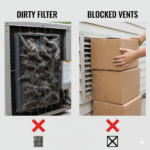
While professional service is essential, homeowners can perform simple tasks to maintain HVAC efficiency between visits. Changing air filters every one to three months, cleaning vents and registers, and ensuring the thermostat is functioning correctly can significantly improve performance.
Outdoor condenser units should be kept free from debris, leaves, and grass clippings to allow proper airflow. Inspecting visible ductwork for leaks or damage can also prevent efficiency loss. Although these steps are straightforward, they complement professional maintenance and prevent minor issues from escalating into costly repairs.
Components That Require Attention
HVAC systems consist of several key components that need regular inspection:
- Air Filters: Remove dust, pollen, and allergens from circulating air. Clogged filters reduce airflow and increase system strain.
- Coils (Evaporator and Condenser): Clean coils maintain efficient heat transfer and prevent energy waste.
- Ductwork: Leaks or blockages reduce airflow and system efficiency.
- Blower Motors and Fans: Clean and lubricated components ensure consistent airflow throughout the home.
- Refrigerant Levels: Proper levels are critical for cooling performance and compressor safety.
- Thermostat: Accurate calibration maintains desired indoor temperatures.
Proper attention to these components ensures the HVAC system operates efficiently and reliably.
Common HVAC Problems Prevented by Maintenance
Skipping maintenance can lead to issues such as frozen evaporator coils, dirty burners, electrical failures, low refrigerant, and inconsistent airflow.
Frozen coils typically result from restricted airflow or dirty components, while dirty burners reduce furnace efficiency and may pose safety hazards. Electrical issues, such as loose connections, can lead to system shutdowns, and low refrigerant reduces cooling capacity. Blocked ducts or malfunctioning fans can cause uneven temperatures, making the home uncomfortable.
Routine inspections catch these problems early, saving money and ensuring your system performs optimally throughout the year.
Dallas Climate and HVAC Demands
Dallas experiences extreme heat in summer and occasional cold in winter, putting significant stress on HVAC systems. High humidity during summer months challenges air conditioning units, while sudden winter cold tests heating systems.
Regular maintenance ensures HVAC systems can meet these seasonal demands. Clean coils, ducts, and electrical components allow the system to operate efficiently, and proper maintenance helps manage humidity levels, which is especially important in Dallas homes to maintain comfort and air quality.
Choosing the Right HVAC Service Provider
Selecting a reliable service provider is essential for effective HVAC maintenance. Homeowners should look for companies with proper licensing, extensive experience in residential systems, positive customer reviews, and the ability to provide timely emergency service.
A professional provider ensures a comprehensive inspection, identifies hidden issues, and performs maintenance tasks that homeowners may not be able to do themselves. This expertise guarantees safe and efficient system operation, which is especially valuable for busy homeowners.
Long-Term Value of HVAC Maintenance
Investing in regular HVAC maintenance provides significant long-term benefits. Homeowners experience lower energy bills, fewer emergency repairs, and extended system lifespan. Routine inspections also maintain indoor air quality and help prevent hazards such as gas leaks or electrical failures.
Neglecting maintenance may seem convenient in the short term, but it often leads to costly repairs and premature replacement of equipment. By scheduling regular professional inspections, homeowners can ensure consistent performance, comfort, and safety year-round.
Frequently Asked Questions (FAQs)
How often should I schedule HVAC maintenance in Dallas?
Biannual inspections—once in spring and once in fall—are recommended to ensure optimal system performance.
Can I perform maintenance myself?
Homeowners can replace filters and clean vents, but professional service is necessary for inspecting coils, ducts, refrigerant, and electrical components.
How long does professional HVAC maintenance take?
Typically, 1–2 hours depending on the complexity and age of the system.
Will regular maintenance reduce energy bills?
Yes, properly maintained components improve efficiency and lower utility costs.
What happens if I skip maintenance?
Skipping inspections can lead to reduced efficiency, higher energy bills, frequent repairs, and shorter equipment lifespan.
Conclusion
Scheduling regular HVAC maintenance is essential for Dallas homeowners who want a reliable, energy-efficient system that lasts for years. Following a biannual maintenance schedule, performing minor DIY upkeep, and partnering with professional technicians ensures consistent comfort and minimizes the risk of unexpected breakdowns.
For trusted service, homeowners can rely on Jade Air, a professional HVAC provider in Dallas dedicated to keeping systems running safely, efficiently, and effectively year-round.