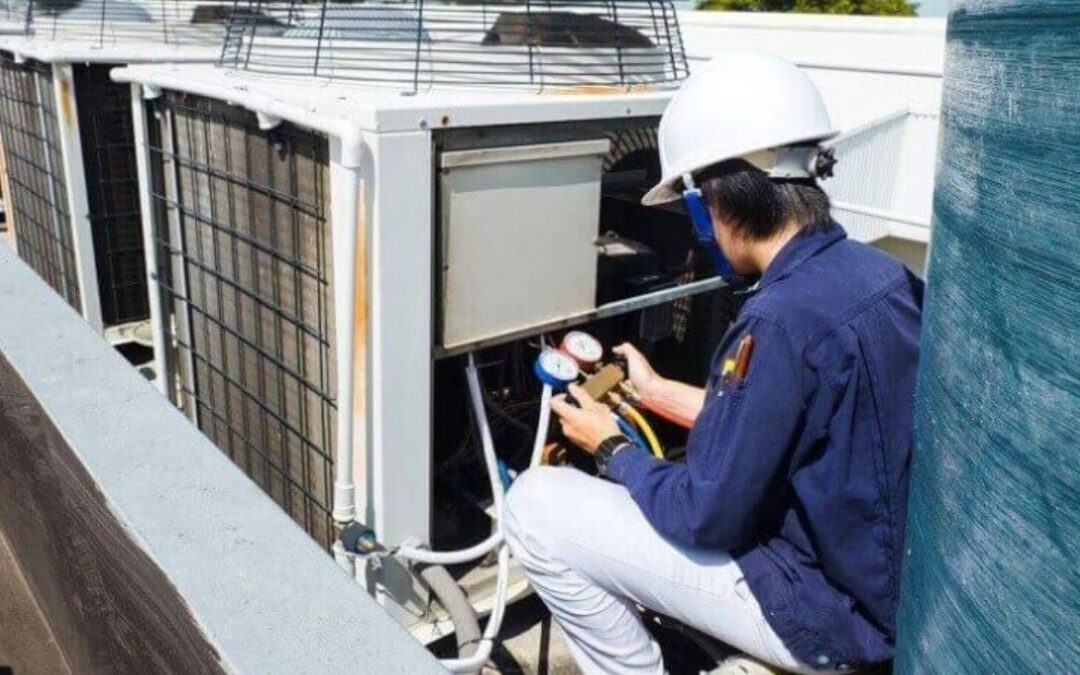
An HVAC system that falters can quickly turn comfort into frustration. When HVAC repair is needed, homeowners must recognize the warning signs before a minor issue becomes a costly emergency. This article explores ten critical indicators that signal your HVAC system requires professional attention—and how timely intervention can prevent further damage.
Top Warning Signs You Need HVAC Repair
1. HVAC system making strange sounds
One of the clearest signs that HVAC repair is necessary involves unusual noises. Grinding, squealing, rattling, or banging often point to loose parts, a failing motor, or issues within the fan assembly. These sounds are not just disruptive—they’re warnings that something inside your system needs immediate care. Addressing them early prevents expensive breakdowns.
2. Unpleasant odors coming from vents
When musty, burning, or chemical-like smells emanate from your ducts, it’s more than an annoyance. Musty odors can point to mold or mildew in ductwork, while burning smells may signal overheating electrical components or wiring issues. Ignoring these odors can impact indoor air quality and pose health risks, making HVAC unit repair necessary.
3. Weak or inconsistent airflow
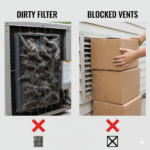
Reduced airflow or uneven distribution of air throughout your home is another red flag. Clogged filters, a failing blower motor, or ductwork blockages are often the culprits. Weak airflow forces your system to work harder, leading to increased energy bills and early wear on components.
4. Inconsistent temperatures throughout the home
If some rooms feel cooler while others remain warm, your HVAC system isn’t regulating temperature properly. Causes may include duct leaks, thermostat problems, or malfunctioning dampers. This uneven comfort not only reduces efficiency but also indicates deeper system issues.
5. Rising energy bills without increased usage
An unexpected rise in your monthly utility bills often points to inefficiency. Dirty coils, blocked filters, or worn-out parts can cause your HVAC to use more energy than necessary. When costs spike without changes in usage, HVAC systems repair may be required to restore efficiency.
6. Frequent cycling on and off (short cycling)
If your HVAC system turns on and off more often than usual, it may be experiencing short cycling. This condition could stem from thermostat malfunctions, refrigerant problems, or even an improperly sized system. Frequent cycling stresses the equipment and leads to higher repair costs over time.
7. Moisture or leaking around the unit
Water pooling near your HVAC system is a serious issue. It might be caused by a clogged condensate line, refrigerant leaks, or a cracked drain pan. Moisture around the system can damage flooring, foster mold growth, and compromise overall air quality. Immediate HVAC emergency repair should be scheduled.
8. Thermostat problems or erratic behavior
When your thermostat fails to respond, displays incorrect readings, or doesn’t maintain the set temperature, it directly impacts comfort and system performance. Often, the problem lies in faulty sensors, wiring issues, or a thermostat that needs recalibration.
9. System is aging and below performance expectations
Most HVAC systems last 10 to 15 years, but performance typically declines with age. Older systems often face more frequent breakdowns, declining efficiency, and higher repair bills. At a certain point, replacement becomes more practical than repeated HVAC unit repair.
| Age of System | Likely Need |
| Under 10 years | Often repairable with maintenance |
| 10–15 years | Performance may decrease; consider repairs |
| Over 15 years | Replacement often more cost-effective |
10. HVAC runs constantly without reaching set temperature
If your system runs non-stop yet still fails to achieve the desired comfort level, it may have a failing compressor, blocked airflow, or thermostat issues. Continuous operation strains the system and drives energy bills higher while never truly cooling or heating your home effectively.
Frequently Asked Questions (FAQs)
1. How much does HVAC repair typically cost?
HVAC repair prices vary depending on the problem. Minor fixes, such as replacing a thermostat, are less expensive, while major repairs like compressor or coil replacement can be more costly.
2. When is HVAC emergency repair needed?
Burning smells, refrigerant leaks, or strange noises should never be ignored. These signs indicate immediate attention is needed to prevent system failure or safety hazards.
3. Can I still get by with just hvac unit repair for older systems?
Yes, if the system is under 15 years and issues are isolated. But for frequent breakdowns or poor energy efficiency, replacement may be more cost-effective.
4. How often should I service my HVAC system?
Most experts recommend professional servicing twice a year—once before cooling season and once before heating season. This helps identify small issues before they escalate.
5. What are the signs of hvac systems repair vs. replacement?
Repair is usually sufficient for thermostat issues, leaks, or airflow problems. Replacement is recommended when the system is older, inefficient, or requires repeated costly fixes.
Conclusion
Recognizing the HVAC repair signals early—such as strange noises, weak airflow, short cycling, or rising energy bills—allows homeowners to act before small problems become expensive emergencies. With professional attention, issues like odors, thermostat malfunctions, or moisture can be resolved quickly, restoring both comfort and peace of mind.
As a trusted HVAC repair company, Jade Air specializes in fast diagnostics, transparent repair pricing, and comprehensive HVAC services, including maintenance, emergency repairs, and system replacements. Homeowners can rely on Jade Air to keep their systems running efficiently and their homes comfortable year-round.