Keeping a home comfortable in Dallas is more than simply adjusting the thermostat. The HVAC system—responsible for heating, ventilation, and air conditioning—plays a critical role in maintaining indoor comfort, air quality, and energy efficiency. Neglecting maintenance can lead to decreased performance, higher utility bills, and even costly system failures. Regular HVAC maintenance is not just a recommendation; it is a necessity for homeowners who want to protect their investment and ensure consistent comfort throughout the year.
From extending the life of equipment to improving energy efficiency, the benefits of routine inspections are undeniable. This guide delves into why regular HVAC maintenance matters, the ideal maintenance schedule, and actionable tips to keep your system running at peak performance.
Why HVAC Maintenance is Crucial
HVAC systems are composed of multiple interdependent parts, including air filters, ductwork, coils, thermostats, fans, and compressors. Over time, these components accumulate dust and debris, which can impair efficiency and create strain on the system. Unchecked, small problems can escalate into costly repairs or even premature system replacement.
In Dallas, where summer temperatures can exceed 100°F and winter temperatures occasionally dip below freezing, HVAC systems endure extreme demands. Routine maintenance ensures that the system can handle these fluctuations, providing a consistent indoor climate while reducing energy consumption. Furthermore, inspections help maintain indoor air quality by removing allergens, dust, and other contaminants from circulation, benefiting households with children, seniors, or individuals with respiratory conditions.
Homeowners can benefit from working with a trusted HVAC Service Company In Dallas, which offers professional inspections, thorough cleaning, and repair services tailored to the specific challenges of the local climate.
Recommended HVAC Maintenance Frequency
For optimal performance, most experts suggest scheduling maintenance twice a year—once in spring to prepare the air conditioner and once in fall to ensure the heating system is ready for winter.
Spring inspections focus on cooling components. Technicians check refrigerant levels, clean evaporator and condenser coils, replace air filters, and ensure the thermostat is functioning correctly. This prepares the air conditioning system to handle the high demands of Dallas summers efficiently.
Fall maintenance emphasizes heating systems. Professionals inspect furnace burners, test electrical connections, clean ducts, and check for gas leaks or other safety concerns. By following this schedule, homeowners can avoid unexpected breakdowns and maintain consistent comfort throughout the year.
Recognizing When Your HVAC System Needs Attention
Even with regular maintenance, certain warning signs indicate a system may require professional service. These include unusual noises such as banging or rattling, uneven temperature distribution, weak airflow, or sudden spikes in energy bills.
Odors can also be a warning sign. A musty smell may indicate mold or moisture in the ductwork, while a burning smell could suggest electrical issues. Addressing these concerns promptly helps prevent minor problems from escalating into costly repairs.
Key Benefits of Regular HVAC Maintenance
Maintaining your HVAC system regularly delivers numerous advantages, including:
- Enhanced Energy Efficiency: Clean filters, coils, and ducts allow systems to operate with minimal resistance, lowering electricity usage.
- Improved Reliability: Routine inspections identify potential failures before they disrupt comfort.
- Extended Equipment Lifespan: Properly maintained systems last longer, delaying replacement costs.
- Better Indoor Air Quality: Regular cleaning reduces allergens, dust, and other airborne pollutants.
- Increased Safety: Professional inspections detect hazards like gas leaks, carbon monoxide, or electrical problems early.
Understanding What Are the Benefits of HVAC Maintenance for My Energy Bills can help homeowners see how regular upkeep directly translates to cost savings, reduced energy consumption, and improved system performance.
DIY Maintenance Tips Between Professional Visits
While professional inspections are essential, homeowners can also perform some maintenance tasks to prolong efficiency and system life:
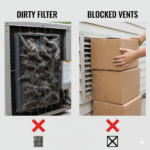
- Replace air filters every one to three months to maintain clean airflow.
- Vacuum and dust vents and registers to reduce debris buildup.
- Check thermostat settings and ensure proper calibration.
- Keep outdoor units free from leaves, grass, and other obstructions to maintain airflow.
These steps, though simple, complement professional maintenance and prevent minor problems from escalating into costly repairs.
Components That Require Regular Maintenance
Several key components of an HVAC system require attention:
- Air Filters: Trap dust, pollen, and debris. Clogged filters restrict airflow and strain the system.
- Coils (Evaporator and Condenser): Clean coils maximize heat exchange and system efficiency.
- Ductwork: Leaks or blockages reduce airflow and increase energy use.
- Blower Motors and Fans: Proper lubrication and cleaning ensure consistent airflow.
- Refrigerant Levels: Correct levels are essential for efficient cooling and preventing compressor damage.
- Thermostat: Accurate calibration ensures the system maintains desired indoor temperatures.
Routine maintenance of these components prevents system strain, improves efficiency, and ensures safety.
Common HVAC Issues Prevented by Maintenance
Neglecting maintenance can result in common problems such as:
- Frozen evaporator coils due to restricted airflow or dirty components.
- Dirty burners reducing furnace efficiency and creating safety risks.
- Electrical failures caused by worn or loose connections.
- Low refrigerant levels reducing cooling capacity.
- Uneven airflow from blocked ducts or malfunctioning fans.
Addressing these issues through routine inspections prevents costly repairs and keeps the system running efficiently year-round.
Dallas Climate Considerations
Dallas presents unique challenges for HVAC systems. Summers are long and humid, placing extra demands on air conditioners, while winters occasionally dip below freezing, testing heating systems. Humidity control is critical in maintaining comfort and preventing mold or moisture issues in the home.
Routine maintenance ensures HVAC systems can handle these extremes. Clean coils, ducts, and electrical components maximize performance, while seasonal inspections prepare the system for climate fluctuations.
Choosing a Reliable HVAC Service Provider
Selecting the right service provider is essential for effective maintenance. Homeowners should choose licensed and experienced professionals with strong customer reviews, emergency service options, and expertise in both heating and cooling systems.
A reputable provider conducts thorough inspections, identifies hidden issues, and performs maintenance that homeowners may not be able to handle themselves. Professional care guarantees safety, efficiency, and long-term system reliability.
Long-Term Value of Maintenance
Investing in regular HVAC maintenance provides measurable benefits. Homeowners enjoy lower energy bills, fewer emergency repairs, and extended equipment lifespan. Proper upkeep also preserves indoor air quality and reduces the risk of hazards like gas leaks or electrical malfunctions.
While skipping maintenance may save time in the short term, it can lead to costly repairs and premature equipment replacement. Scheduling professional inspections ensures that systems operate efficiently and consistently, delivering comfort and peace of mind throughout the year.
Frequently Asked Questions (FAQs)
How often should I schedule HVAC maintenance?
Biannual inspections—once in spring and once in fall—are recommended.
Can I perform HVAC maintenance myself?
Homeowners can replace filters and clean vents, but professional inspections are necessary for coils, ductwork, refrigerant levels, and electrical components.
How long does professional HVAC maintenance take?
Most inspections take 1–2 hours, depending on system complexity.
Will regular maintenance reduce energy bills?
Yes, properly maintained systems operate more efficiently and reduce monthly utility costs.
What happens if I skip HVAC maintenance?
Neglecting maintenance can cause decreased efficiency, higher energy bills, frequent repairs, and a shorter system lifespan.
Conclusion
Regular HVAC maintenance is essential for homeowners who want a reliable, energy-efficient, and long-lasting system. By following a seasonal maintenance schedule, performing minor homeowner upkeep, and partnering with professional technicians, residents can enjoy consistent comfort throughout the year.
In Dallas, Jade Air provides trusted HVAC services, offering comprehensive inspections, preventive maintenance, and repairs to keep your system running safely and efficiently. With expert care, homeowners can protect their investment and enjoy optimal indoor comfort all year long.