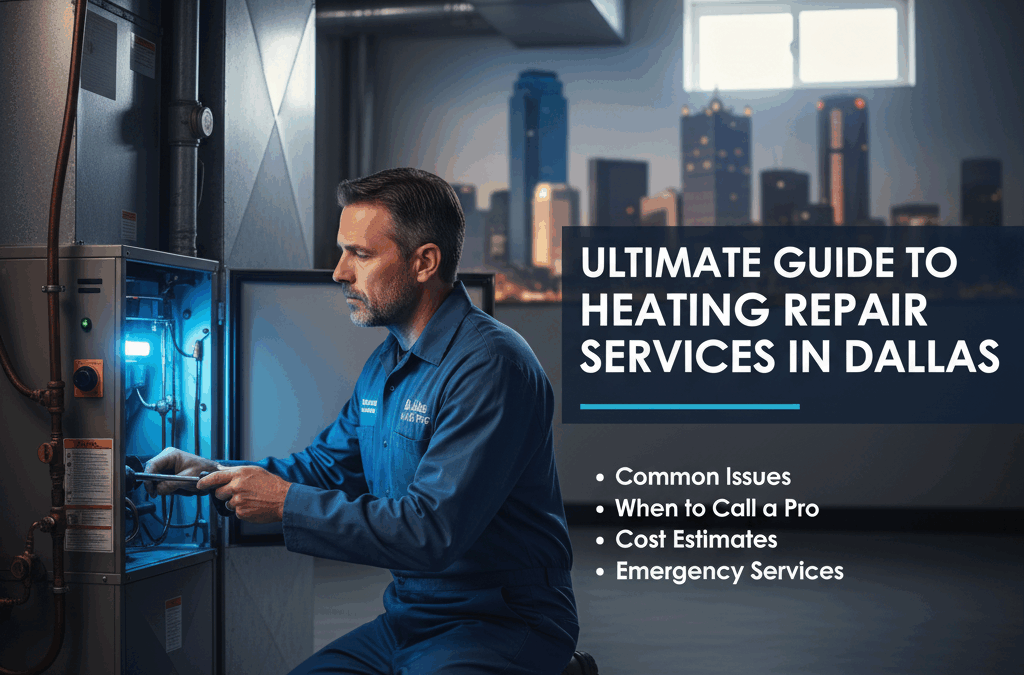
When Dallas temperatures dip during winter, residents often rely on trusted heating repair services in Dallas to keep their homes comfortable. The most common heating problems include furnace breakdowns, malfunctioning thermostats, poor airflow, and ignition failures. Recognizing these issues early prevents extensive damage and ensures indoor comfort.
What are the most common heating repair services in Dallas needed by homeowners?
One of the first signs that homeowners may need a heating repair service is an unexplained spike in energy bills. When a system is overworking to maintain temperature, it often indicates a dirty filter, leaky ductwork, or mechanical inefficiency. In a climate like Dallas—where temperature swings are unpredictable—keeping heating systems in top shape is essential for both comfort and cost savings.
Why do heating systems fail in Dallas more frequently than expected?
Dallas weather patterns are unique. The city’s shifting temperatures—from humid summers to chilly winters—force HVAC systems to adapt constantly. This fluctuation puts stress on components like compressors, motors, and heat exchangers. Over time, parts wear out faster, leading to the need for frequent heating system repair service calls.
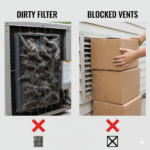
Dust, debris, and humidity also play a major role in system deterioration. Airborne particles settle within filters and vents, obstructing airflow and straining the furnace or heat pump. Without proper cleaning and seasonal maintenance, even newer systems can develop problems prematurely, making regular inspection and timely repair crucial.
How to choose the right heating repair company in Dallas
Finding a dependable heating repair company in Dallas requires careful consideration. Homeowners should prioritize companies that are licensed, insured, and have a solid local reputation. Checking certifications such as NATE (North American Technician Excellence) or EPA credentials ensures the technicians are qualified to handle modern HVAC systems safely and effectively.
It’s also wise to compare service warranties and response times. Dallas winters can be unpredictable, and a quick-response company that offers same-day or emergency repairs can make a major difference. Transparent pricing, detailed diagnostics, and strong customer support are hallmarks of a reputable contractor who truly values client satisfaction.
Key symptoms that suggest the need for heating system repair service
A malfunctioning heating system rarely fails without warning. Recognizing the signs early helps prevent larger breakdowns. Common red flags include:
- Strange noises such as rattling, banging, or squealing.
- Uneven heating where some rooms are too cold or too warm.
- Frequent cycling of the system on and off.
- Higher energy bills without increased usage.
- Weak airflow or poor indoor air distribution.
If any of these issues arise, scheduling a professional inspection is crucial. A qualified technician can assess whether the issue stems from mechanical failure, airflow obstruction, or thermostat malfunction.
What does a typical heating furnace repair service in Dallas include?
A professional heating furnace repair service involves a comprehensive diagnostic process. The technician begins with a full inspection—checking the thermostat, heat exchanger, ignition system, and airflow. Once the issue is identified, faulty components such as the blower motor, gas valve, or pilot light are repaired or replaced.
After repairs, the system is tested to ensure proper heat output and safety. Maintenance tasks like filter replacement, duct cleaning, and system calibration often follow. These steps ensure the heating system operates efficiently throughout the cold season while minimizing future repair needs.
How much does heating repair cost in Dallas and what factors influence it?
| Repair Component | Typical Cost Range* | Influencing Factors |
| Thermostat replacement | Moderate | Brand, features (smart vs manual) |
| Blower motor repair | Moderate to high | Labor time, system accessibility, motor type |
| Ignition/control board | Moderate | Complexity of system, electrical diagnosis required |
| Heat exchanger replacement | High | Labor, safety inspection, replacement vs repair decision |
| Ductwork repair/insulation | Low to moderate | Extent of damage, accessibility, materials used |
*Actual costs vary depending on system type, part availability, and service urgency.
Several variables influence heating repair pricing. The system’s age, type (gas, electric, or heat pump), and overall condition play a big role. Accessibility of components, seasonal demand, and whether emergency service is required can also affect the final bill.
For more detailed cost insights and budgeting tips, readers can explore How Much Does Heating Repair Cost? to better understand potential expenses before scheduling service.
When should a homeowner consider repair vs replacement for their heating system?
One of the toughest decisions homeowners face is determining whether to repair or replace an aging heating system. If the furnace or heat pump is over 10 to 15 years old, efficiency drops and repair frequency rises. In such cases, replacement might be the more economical choice.
However, if the issue is minor—like a faulty thermostat, clogged filter, or small electrical fault—repair is usually sufficient. The rule of thumb: if the repair costs more than half the price of a new system, replacement should be considered.
Homeowners looking for professional guidance can refer to When to Repair vs Replace Your Heating System: A Homeowner’s Guide for in-depth advice tailored to their situation.
What are best practices for maintaining a heating system after repair?
After completing a heating repair service, maintenance is key to ensuring long-term efficiency. Homeowners should replace air filters every one to three months, depending on usage. Cleaning vents, checking ductwork, and ensuring proper insulation prevent energy loss and airflow problems.
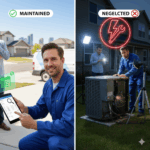
Seasonal professional maintenance—ideally in fall—can help identify issues before winter begins. During these checkups, technicians typically clean burners, test carbon monoxide levels, and inspect the ignition system. These preventive measures not only extend the system’s lifespan but also maintain indoor comfort and safety.
Are there emergency heating repair services available in Dallas?
Yes, several local companies provide 24/7 emergency heating repair services to meet urgent needs during sudden cold fronts. These services are essential when furnaces stop working overnight or when families face no-heat situations.
Emergency technicians are equipped to diagnose and repair common issues on-site, such as ignition failure or blower malfunction. Reliable companies offer transparent pricing and ensure the home’s heating system is safely restored without unnecessary delays.
Homeowners who experience frequent late-night issues or unexpected breakdowns should keep the contact of a trusted provider saved. They can quickly reach out through Contact us to schedule priority repairs or emergency service visits.
Common furnace problems homeowners should never ignore
A furnace often gives subtle warnings before breaking down completely. Ignoring unusual noises or strange smells can lead to costly damage. Banging or clanking sounds might signal a loose blower motor, while a burning odor could indicate overheating or electrical issues.
Homeowners should take these early signs seriously and seek professional attention immediately. For a detailed explanation of potential causes, see 7 Furnace Noises You Should Never Ignore, which breaks down what each noise could mean and how quickly it should be addressed.
Why is my heat pump not heating properly?
A heat pump that fails to heat effectively may have refrigerant issues, a malfunctioning reversing valve, or a dirty outdoor coil. Dallas homeowners often face this problem when switching from cooling to heating mode during seasonal transitions.
Other causes may include clogged filters or restricted airflow that prevent warm air from circulating properly. Scheduling a diagnostic visit ensures accurate identification of the root cause. For a complete understanding of the issue, explore Why Is My Heat Pump Not Heating? for expert insights and repair recommendations.
How to extend the lifespan of your heating system
Routine maintenance is the foundation for system longevity. Consistently changing filters, sealing air leaks, and cleaning ducts help maintain optimal airflow. Homeowners should also ensure their thermostats are calibrated correctly and that they avoid setting extreme temperatures.
Another smart step is scheduling annual tune-ups before winter. This preventive approach allows technicians to catch worn parts early, lubricate moving components, and fine-tune performance. Proactive care can add several years to a heating system’s lifespan and improve overall energy efficiency.
Additional tips for improving efficiency after heating repairs
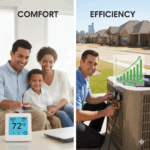
After professional servicing, homeowners can take small steps to enhance system performance. Installing programmable thermostats allows better control over indoor temperatures and reduces unnecessary heating cycles. Improving insulation and sealing gaps around windows and doors also limits heat loss.
Zoning systems or smart vents can further improve comfort, allowing precise temperature control in different areas of the home. Together, these measures minimize strain on the furnace or heat pump and reduce long-term operational costs.
FAQs about heating repair services in Dallas
-
How long does a typical heating system repair take in Dallas?
Most standard repairs—such as thermostat replacement, ignition system fixes, or filter changes—take two to four hours. More complex repairs involving ductwork or heat exchangers may require additional time or follow-up appointments.
-
Do I need a licensed technician for heating furnace repair service?
Absolutely. Licensed professionals ensure safe, code-compliant work and proper handling of electrical and gas systems. Hiring uncertified workers could void warranties and lead to potential safety risks.
-
How often should Dallas homeowners schedule heating system inspections?
Experts recommend scheduling professional inspections annually, ideally before winter begins. Routine maintenance helps detect issues early, reducing the chance of unexpected breakdowns.
-
Can I still use my air conditioner if the heating system is being repaired?
Yes, in most HVAC setups, heating and cooling operate independently. However, some shared components like thermostats or control boards may temporarily limit AC functionality during repairs.
-
Is it cost-effective to repair an old furnace or better to replace it?
If the system is more than 10–15 years old and requires frequent repairs, replacement is typically the more economical choice. New systems offer higher energy efficiency and lower monthly operating costs.
Conclusion
Understanding and maintaining heating repair services in Dallas helps homeowners stay comfortable throughout unpredictable winters. From diagnosing early warning signs to selecting qualified technicians, every step contributes to safer and more efficient heating.
Whether it’s emergency service, routine maintenance, or complete system restoration, investing in professional expertise ensures lasting comfort and reliability. For trusted HVAC repair company and exceptional customer care in Dallas, residents can rely on Jade Air Company—a dedicated name in heating, cooling, and home comfort solutions.